The Colorado River’s Next Chapter—and What It Means for Los Angeles
The rules governing the river are being rewritten. For Southern California, the real story is diversification, storage and using every local gallon more intelligently.
Why the Colorado River is in the national spotlight
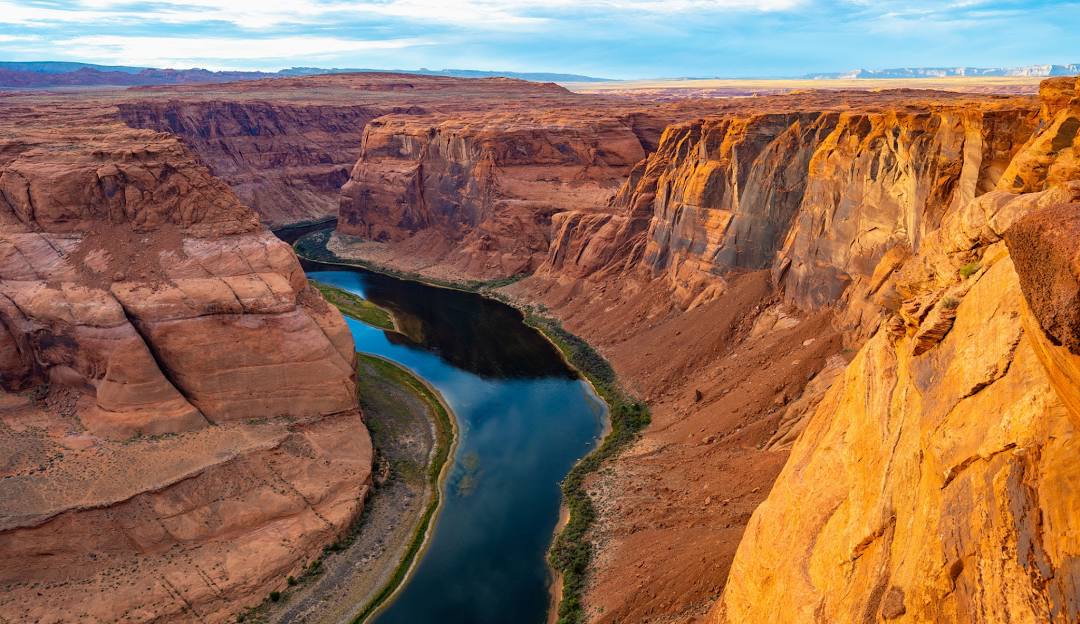
The Colorado River supports roughly 40 million people, Tribal Nations, farms and ecosystems across seven U.S. states and Mexico. Meanwhile, Los Angeles recorded a sharply below-average Eastern Sierra snowpack—24% of normal at the April 1, 2026 survey. The figures describe different supply systems, but together they show why Los Angeles cannot depend on any single imported source.
The current operating guidelines for the reservoirs expire at the end of 2026. Federal agencies, basin states and Tribal Nations have therefore been working through competing proposals for the rules that follow. The details matter because they determine how shortages are shared when reservoir levels decline.
How river water reaches Southern California
The Metropolitan Water District of Southern California imports Colorado River water through the 242-mile Colorado River Aqueduct and distributes it across a regional network. Los Angeles also receives supplies associated with the State Water Project and the Los Angeles Aqueduct, while producing local groundwater.
That diversity is important. LADWP expects the Los Angeles Aqueduct to deliver roughly 40% of annual city demand despite the thin snowpack, while reporting 31.9 billion gallons of stormwater captured since fall 2025. Imported supply remains exposed to climate and policy decisions hundreds of miles away, which is why local resilience projects have moved from optional to essential.
The shift from conservation to resilience
Southern California has already reduced per-person water use substantially compared with past decades. LADWP reported a 12-month rolling average of 101 gallons per person per day in April 2026—even with roughly one million more residents than 50 years ago. The next phase goes beyond asking residents to use less: agencies are investing in recycling, groundwater replenishment, stormwater capture, leak reduction and more climate-resilient landscapes.
For a household, efficient fixtures, prompt leak repair and climate-appropriate landscaping remain the highest-value actions. They reduce both the water bill and the energy used to transport, heat and treat water. Indoor treatment systems should be selected for water quality goals, not presented as a substitute for conservation.
- Check irrigation after heat waves; broken emitters can waste water invisibly.
- Track unexplained overnight meter movement as a possible leak signal.
- Choose efficient appliances and right-size hot-water systems to actual demand.
What homeowners should watch through 2026
Watch for official updates on post-2026 Colorado River operations, local conservation rules and major recycling projects. Avoid interpreting a single reservoir photo or snowfall headline as the entire supply picture. Water reliability is measured across years, sources and storage—not one wet month or one dry season.