LA Hard Water vs. Tankless Heaters: The Maintenance Math
Tankless heaters are efficient, but LA hard water changes the equation. A practical guide to sizing, flushing and protecting the heat exchanger.
Why Los Angeles water leaves a mark
Water is described as hard when it contains elevated levels of dissolved calcium and magnesium. Hardness is not generally considered a health hazard, but heating the water encourages minerals to form scale on hot surfaces. That is why deposits often appear first on shower glass, aerators and water-heating equipment.
Because Los Angeles water is blended from multiple sources, hardness varies by service area and over time. The useful number is the current range reported by your supplier or a test at the property—not a universal internet estimate for the entire city.
What scale does inside a tankless unit
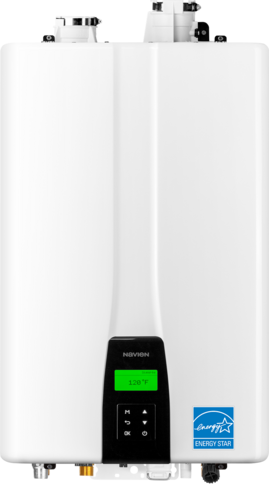
A tankless heater moves water through a compact heat exchanger. Mineral deposits on that exchanger can restrict flow and act as an insulating layer, forcing the appliance to work harder to transfer heat. Left unmanaged, scale may contribute to performance errors, noise and shortened component life.
The remedy is not guesswork. Manufacturers specify inspection and flushing procedures, and some call for more frequent service where water is hard. Warranty requirements and local plumbing conditions should always take precedence over a generic annual rule.
Efficiency begins with correct sizing
A tankless heater must be sized for simultaneous flow and the required temperature rise. A household running two showers and an appliance needs more output than a one-bath apartment, especially when incoming water is cooler. Oversimplified sizing can lead to disappointing hot-water delivery even when the equipment itself is functioning correctly.
Installation also involves gas supply, venting, combustion air, condensate management and permits. EnergyGuide information and the federal Uniform Energy Factor help compare products, but a high rating cannot compensate for poor installation or neglected maintenance.
- Measure incoming-water temperature and likely simultaneous fixture demand.
- Follow the exact manufacturer procedure for flushing and isolation valves.
- Discuss scale control when measured hardness is high; treatment should fit the whole home’s goals.
The bottom line for LA homes
A well-sized, professionally installed tankless system can offer long service and eliminate standby losses associated with storing a tank of hot water. In Los Angeles, the ownership plan should include water-quality context from day one. Budget for inspection, keep service records and treat recurring scale as a water condition to manage—not simply an appliance failure.